D-Type
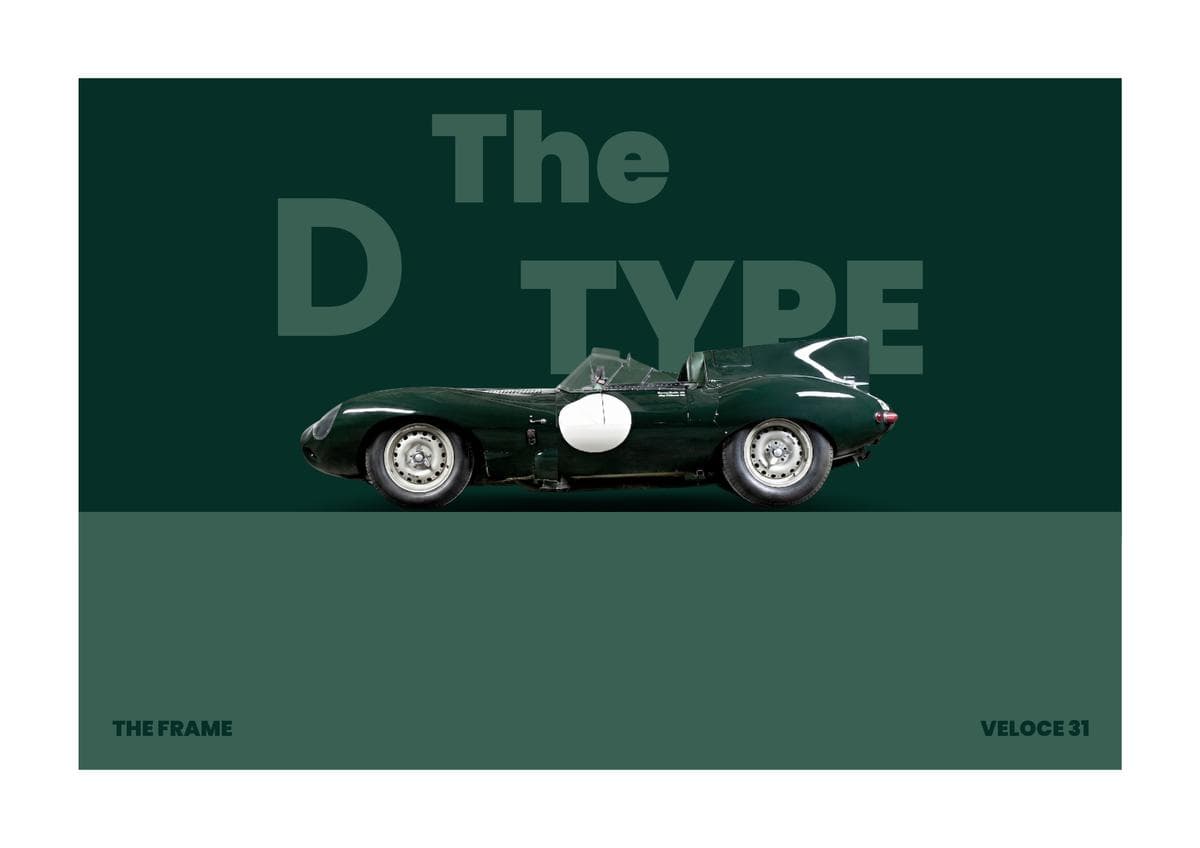
The absolute pinnacle of aerodynamic fluidity and pure speed from the 1950s. A monument of engineering and mechanical haute couture made in Coventry, immortalized by its asymmetrical aerodynamic silhouette and legendary tailfin, the fierce roar of its twin-cam XK engine, and its imperial quest for victories at Le Mans that permanently placed it at the very top of the endurance world.
About this archive
The Jaguar D-Type, undisputed queen of the 1950s, is the purest expression of an era guided by the pursuit of absolute speed and the perfect symbiosis between driver and machine. Conceived in Coventry by the aerodynamic genius of Malcolm Sayer to defy the laws of physics where the heavy machinery of the time bowed down, this racing barchetta was designed like the fuselage of a fighter jet, capable of flying down the Mulsanne Straight with spectacular grace and efficiency./n/nImmediately recognizable by its legendary silhouette, sculpted in aluminum and magnesium low to the tarmac, the D-Type dictates its beauty through the laws of fluid aviation aerodynamics and the revolutionary introduction of its monocoque cockpit. Beneath its timelessly elegant gown, the visceral 3.4-liter "XK" straight-six engine, fed by Weber carburetors, develops formidable power for a featherweight total skimming 850 kilos. Channelled purely to the rear wheels via an ultra-precise manual gearbox and slowed by pioneering disc brakes, this cavalry offers diabolical high-speed stability, slicing through the air in a masterclass of aerodynamic balance./n/nA true motorsport icon, the D-Type entered the collective imagination carried by the metallic howl of its side-exit exhaust. Its spartan cockpit, a realm of form-fitting aluminum, wraps the driver close to the elements, reminding us that at over 170 mph through the Sarthe night, the world blurs past in a cocktail of pure adrenaline, millimeter-perfect lines, and a visceral connection to the track./n/nFrozen in time as the culmination of the aerodynamic pioneering age, the Jaguar D-Type remains the ultimate monument to uncompromising engineering. It conquered posterity by claiming a legendary hat-trick of victories at the 24 Hours of Le Mans, a mechanical sculpture demanding absolute driving artistry long before the curtain of modernity and massive downforce changed the world of exceptional automobiles forever.